Collective residence: Becoming part of the landscape
- Adélard - Grammar School, 2 Place de l'Hôtel de Ville, Frelighsburg (map)
Collective residence
Part of the landscape
artists
Andrew Jackson, Emmanuelle Jacques, Michèle Magema, Anna Jane McIntyre, Jean-Marc Superville Sovak, Aida Vosoughi, Stanley Wany.
End-of-residency presentation
Sunday, February 22nd, at 2pm
at Grammar School
Learn more
Part of the Landscape is an art research project exploring the historical presence of Black communities in the Brome-Missisquoi region. Through residencies, events, an exhibition, and a publication, this project examines how the traces of these presences are inscribed in the territory and collective memory.
Initiated in 2021 by Emmanuelle Jacques and Anna Jane McIntyre, the project has now expanded with the participation of artists : Andrew Jackson, Michèle Magema, Jean-Marc Superville Sovak, Aïda Vosoughi, and Stanley Wany. Together, they revisit the Lake Champlain Valley as a space of movement and diaspora, revealing the networks and movements that have shaped its history. Their approach highlights the contribution of those who travelled on the Underground Railroad, inscribing their passage into the cultural and social fabric of the region.
The Black presence in Brome-Missisquoi dates back to the early days of colonization. Some people lived in slavery before being buried anonymously on a farm in Saint-Armand. Others found refuge here after fleeing the United States, guided by the secret routes of the Underground Railroad. This project aims to bring these stories back into the public eye, integrating them into the contemporary landscape and fostering a spirit of remembrance.
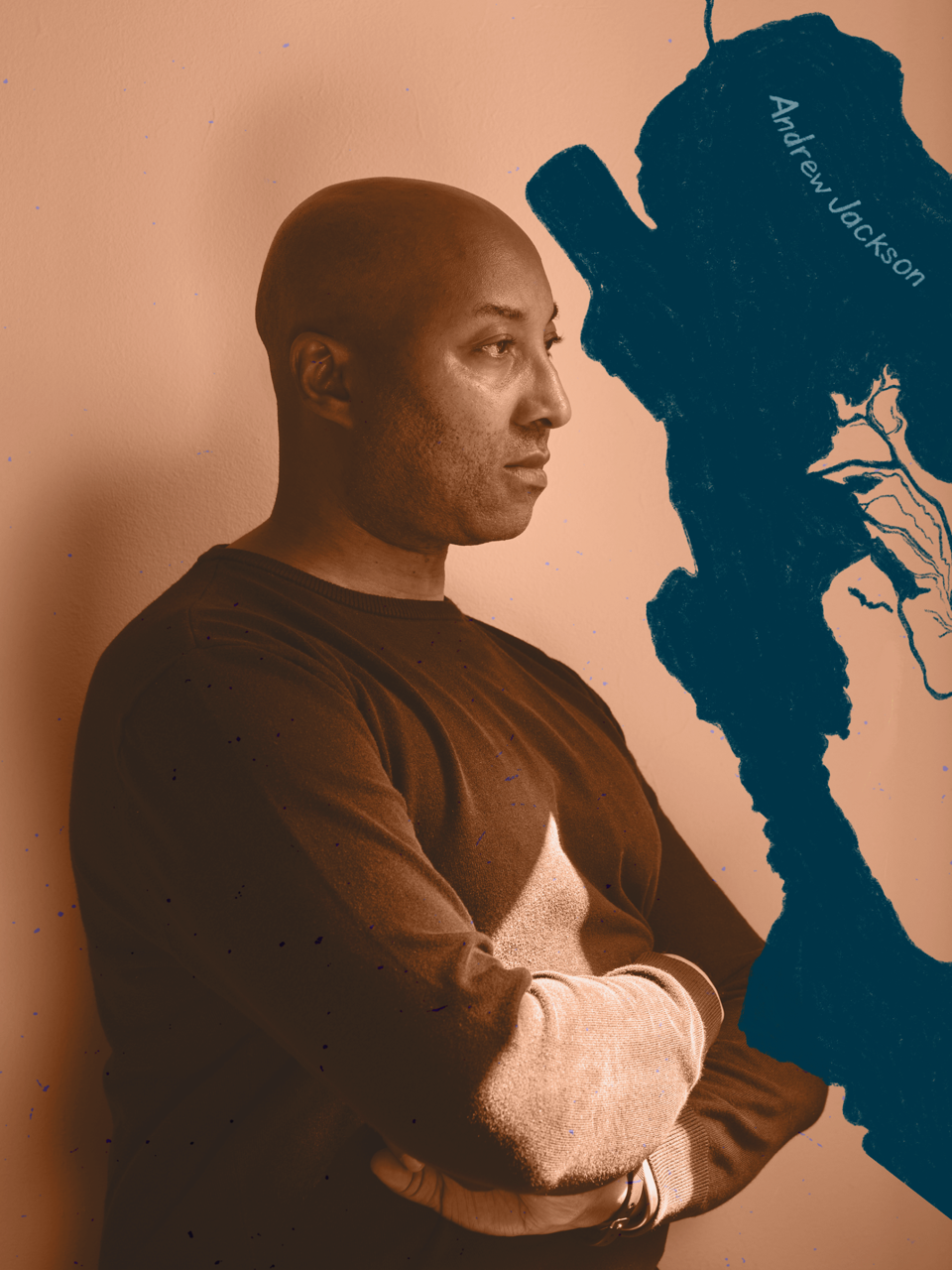
Andrew Jackson is a British artist whose work explores how memory is inscribed in landscapes shaped by trauma, displacement, and racialized histories. Working at the intersection of documentary and artistic practices, he adopts a post-documentary approach to interrogate visibility, erasure, and the politics of place. His work has been exhibited internationally and is included in prestigious collections, including the United Kingdom Government Art Collection, the McCord Stewart Museum, and Autograph. Recent projects include Little Burgundy (McCord Stewart Museum, 2025) and residencies at Light Work, New York (2018) and the Dikan Center, Accra (2025). Jackson teaches at the University of the Arts London and is an advocate for equitable representation in photography.
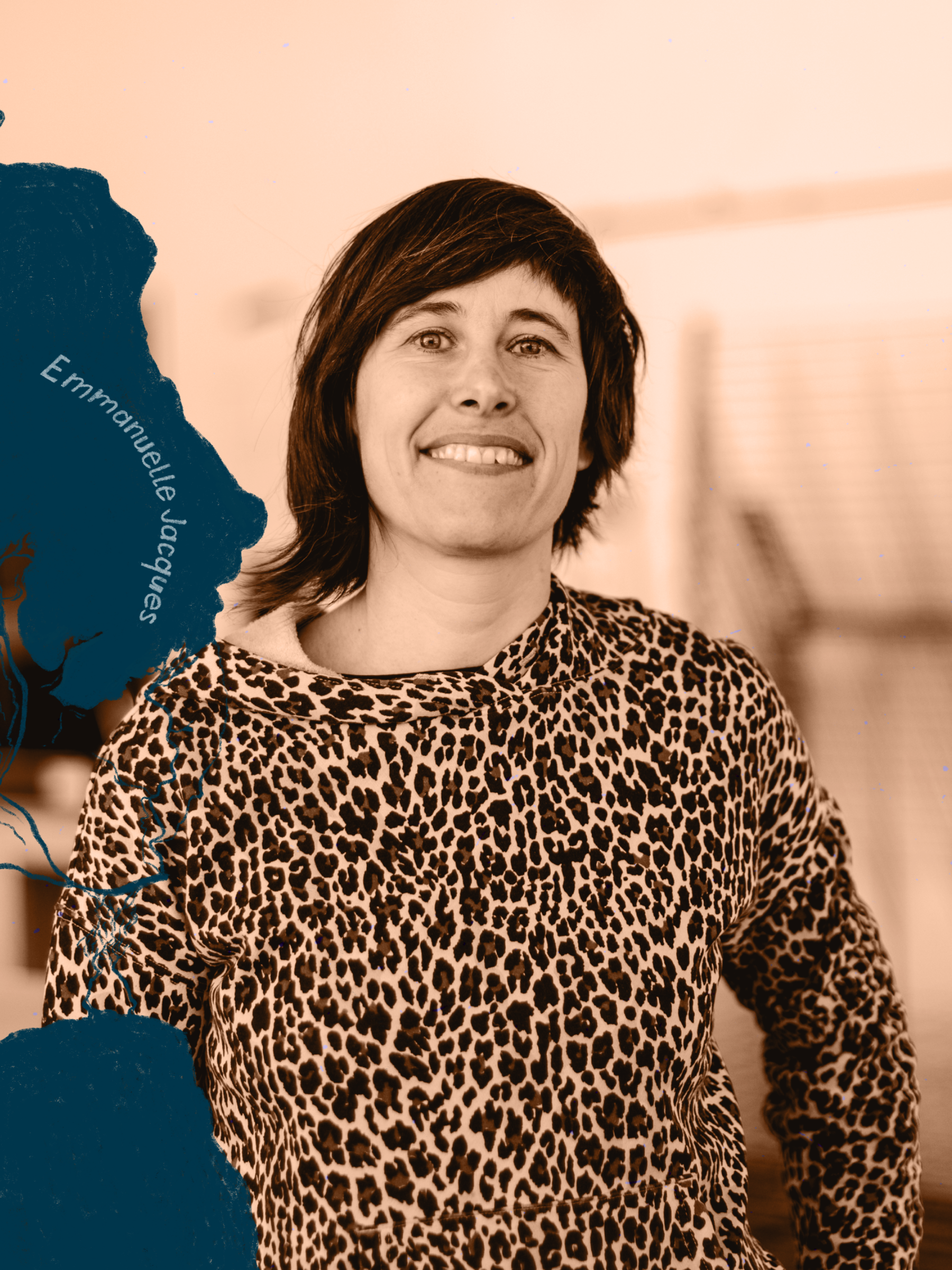
Emmanuelle Jacques is an visual artist originally from Sherbrooke and now living in Montreal. Her practice stems from drawing and printmaking, and incorporates writing and relational art. Primarily in the form of artist's books or installations, her diverse projects have led her to explore cartography, landscape architecture, motherhood, economics, invisible labor, self-management, interstices, indiscipline, and utopias. By focusing on specific or hyperlocal issues, she fosters encounters that allow micro-narratives to emerge, from which she extracts a shared meaning.
Following a residency at Adélard With Anna Jane McIntyre in 2021, she initiated the collective project "Part of the Landscape." She wishes to thank the Arts and Letters Council of the Québec for his support of this project.
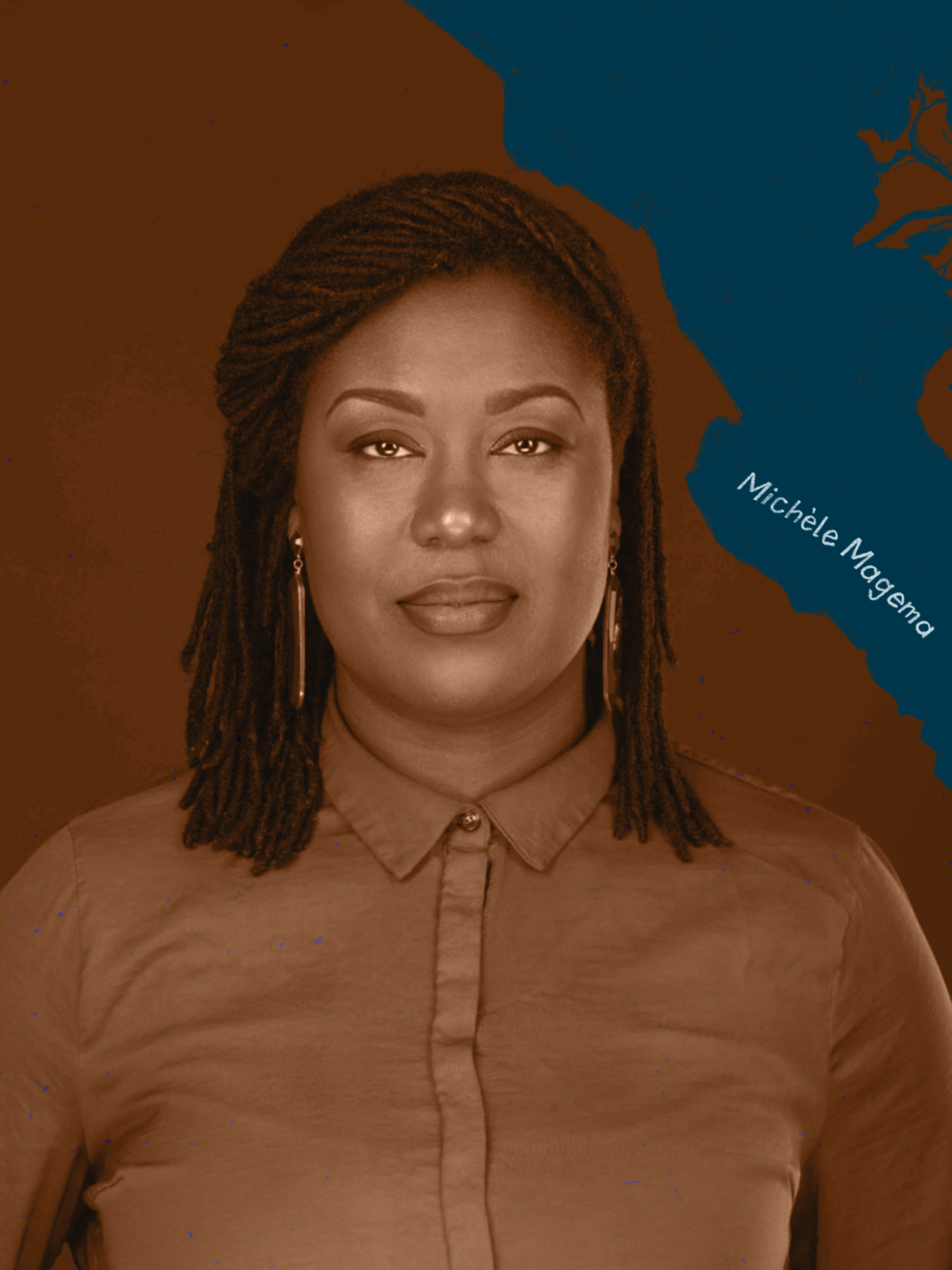
Michèle Magema is a French-Congolese visual artist whose practice transcends disciplinary boundaries, blending video, performance, photography, and drawing in hybrid installations. Her work, situated at the intersection of personal narratives and collective memories, explores the tensions between individual identity and shared histories. She draws on her lived experience and memories to explore themes such as feminism, sociopolitical dynamics, and mythology, while simultaneously distancing herself from historically imposed exoticizing representations.
Her most recent works engage with archives, which she deconstructs through a decolonial approach, placing the living at the center of her discourse. Magema questions the place of colonial images, imprisoned within dominant historical narratives, using drawing as a vehicle for their liberation. This process is part of a profound re-examination of colonial visual narratives, thus offering a new interpretation of captive images.
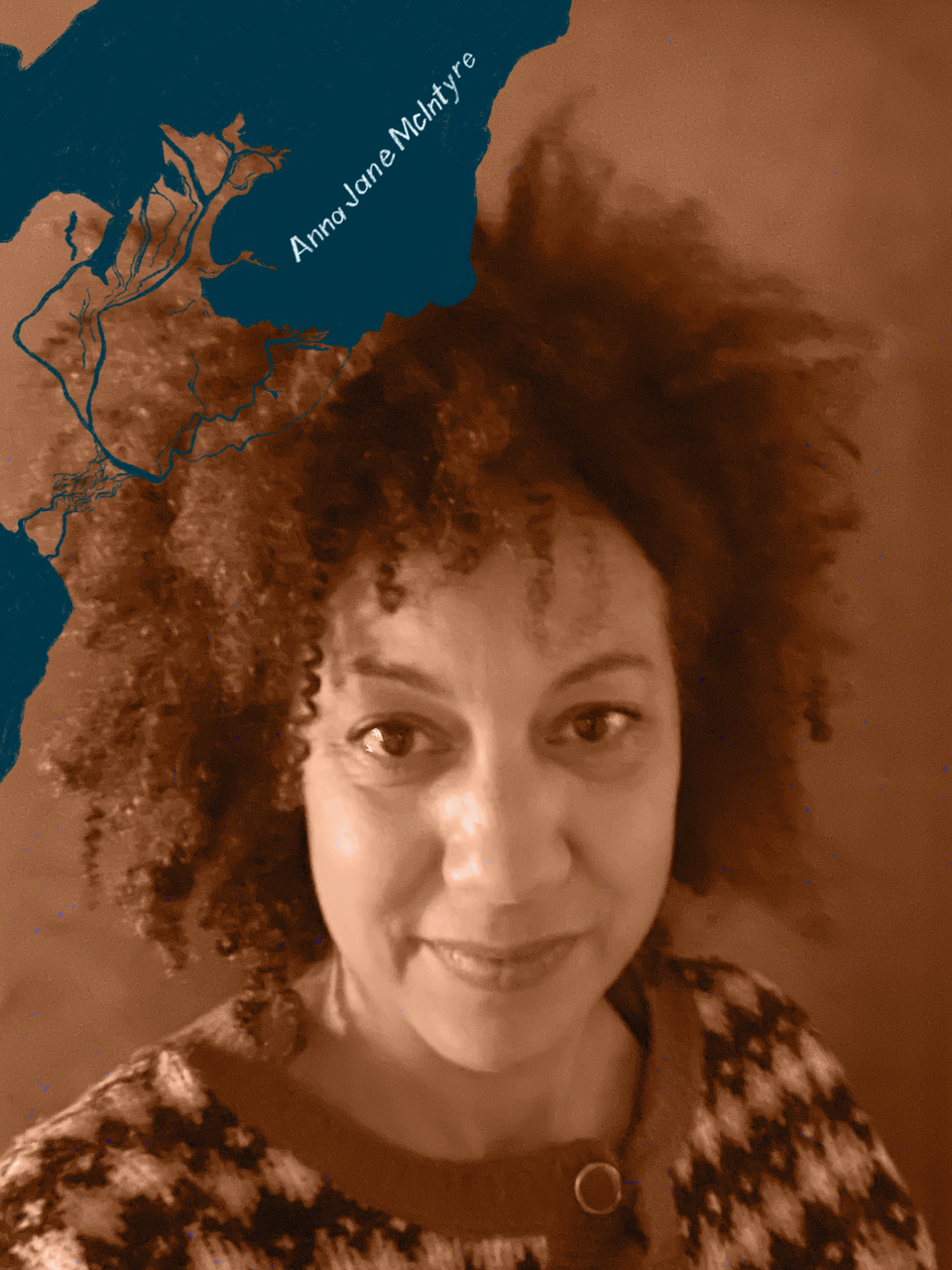
Anna Jane McIntyre is a multidisciplinary artist living and working in Montreal whose practice combines printmaking, storytelling, archiving, kinetic sculpture, and microactivism. Her work explores how individuals perceive, create, and express their notions of self and belonging through their behaviors and visual cues. McIntyre’s projects take the form of giant emojis, feminist foosball tables, community workshops, forest installations, soundscapes, films, animations, and portraits paying homage to the forgotten. McIntyre’s work has been exhibited in Canada, the United States, Brazil, South Africa, Europe, and the United Kingdom.
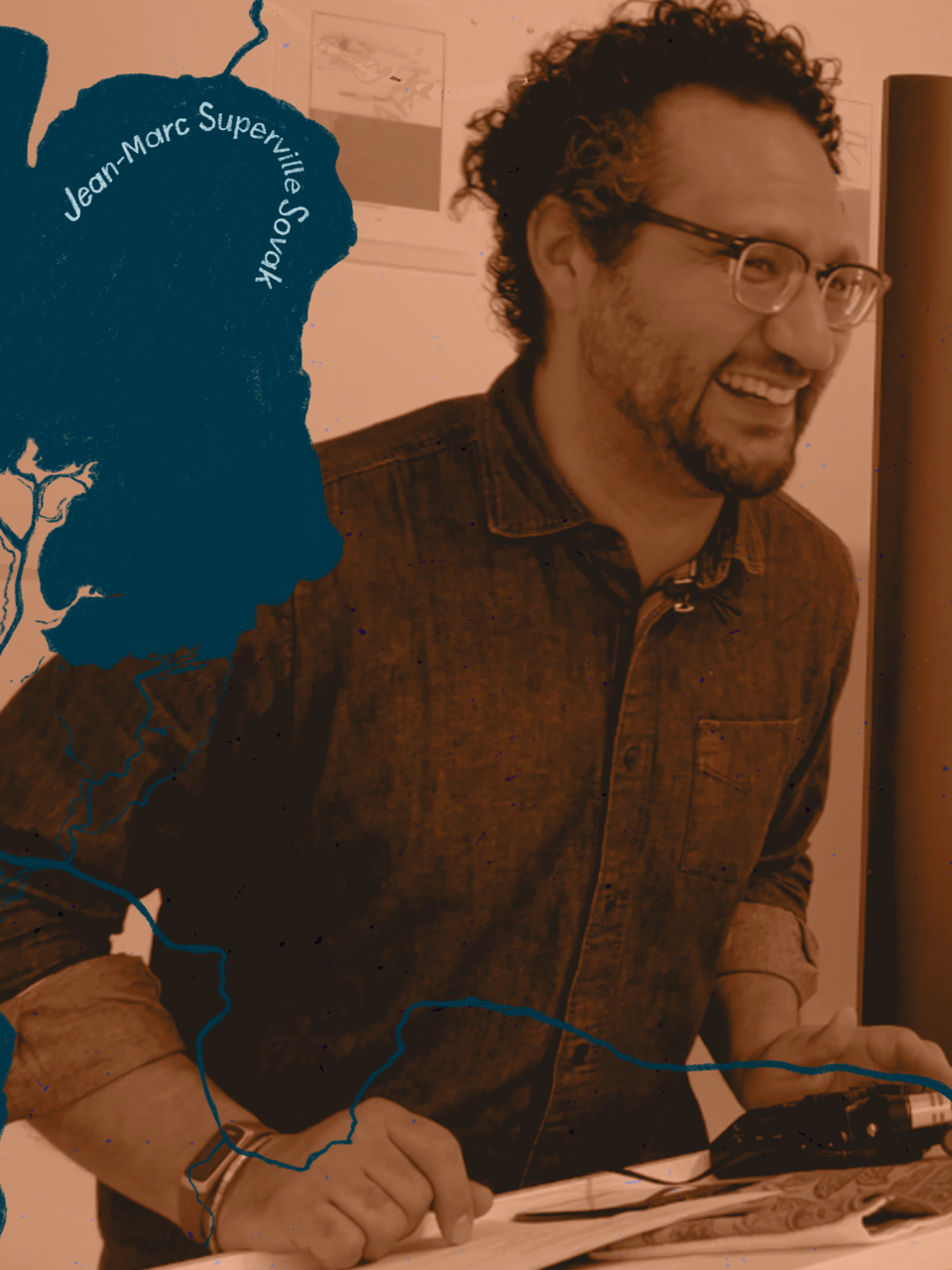
Jean-Marc Superville Sovak is a multidisciplinary artist who seeks to bring to light the narratives of colonization and slavery erased from collective memory. His practice includes the creation of several public artworks, the production of an opera, "There Are NO Black Shakers," and a series of reinterpretations of 19th-century landscape engravings entitled "a-Historical Landscapes." A graduate of Concordia University with a Bachelor of Fine Arts and Bard College with a Master of Fine Arts, Jean-Marc has received several grants, including the Support for Artists Grant from the New York State Council on the Arts.
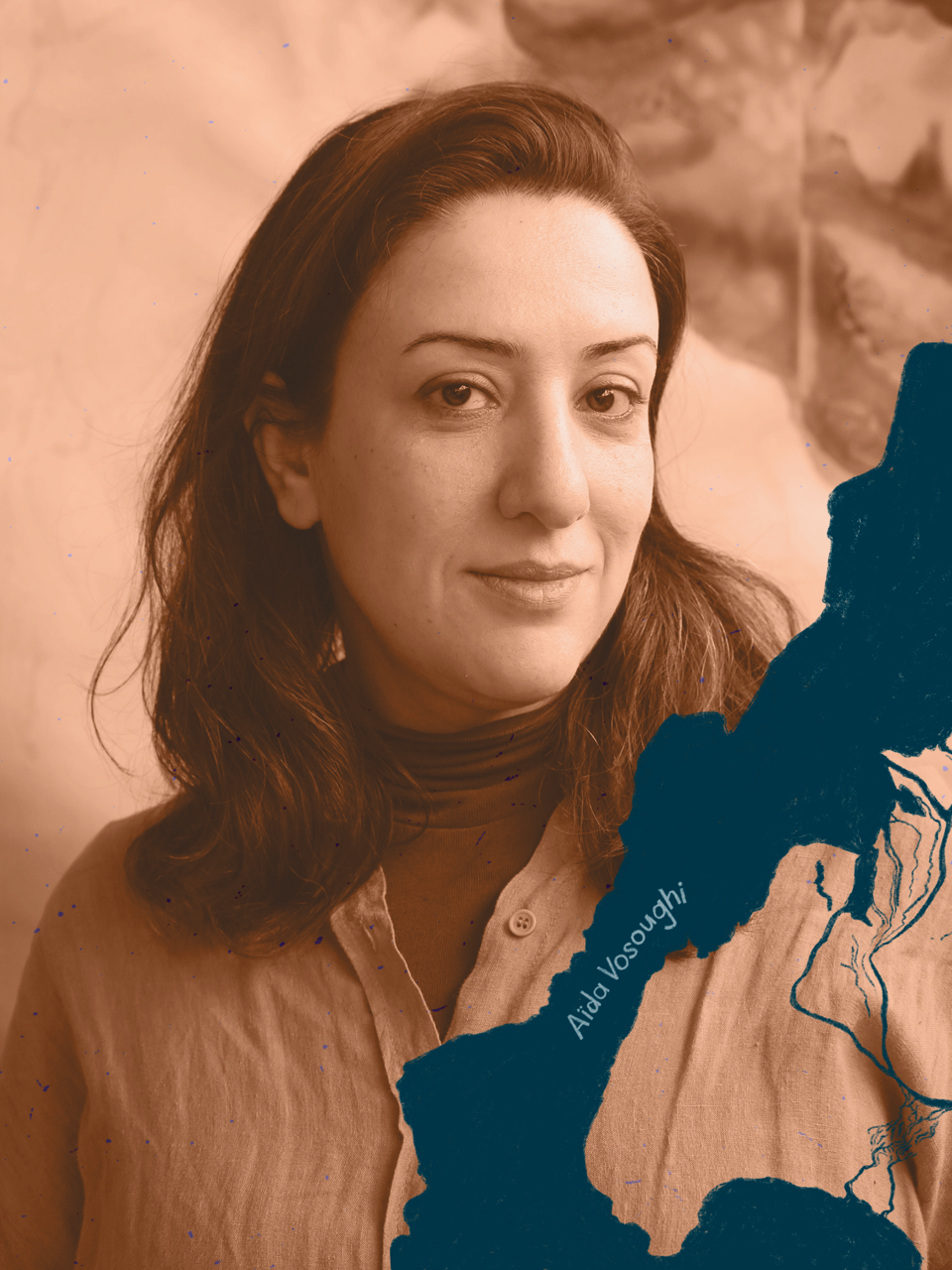
Aida Vosoughi explores landscape and its transformations from a historical perspective. Her recent research focuses on the border as an agent in the creation of new landscapes, particularly through its relationship to migratory movements. While she examines the border in all its complexity, her current work concentrates on modern geopolitical borders. Borders are not simply lines separating territories: they are interfaces of power that reconfigure the lives, bodies, and narratives of those they circumscribe. Expressed through a metaphorical and poetic language, her projects take the form of installations, paintings, sculptures, and videos.
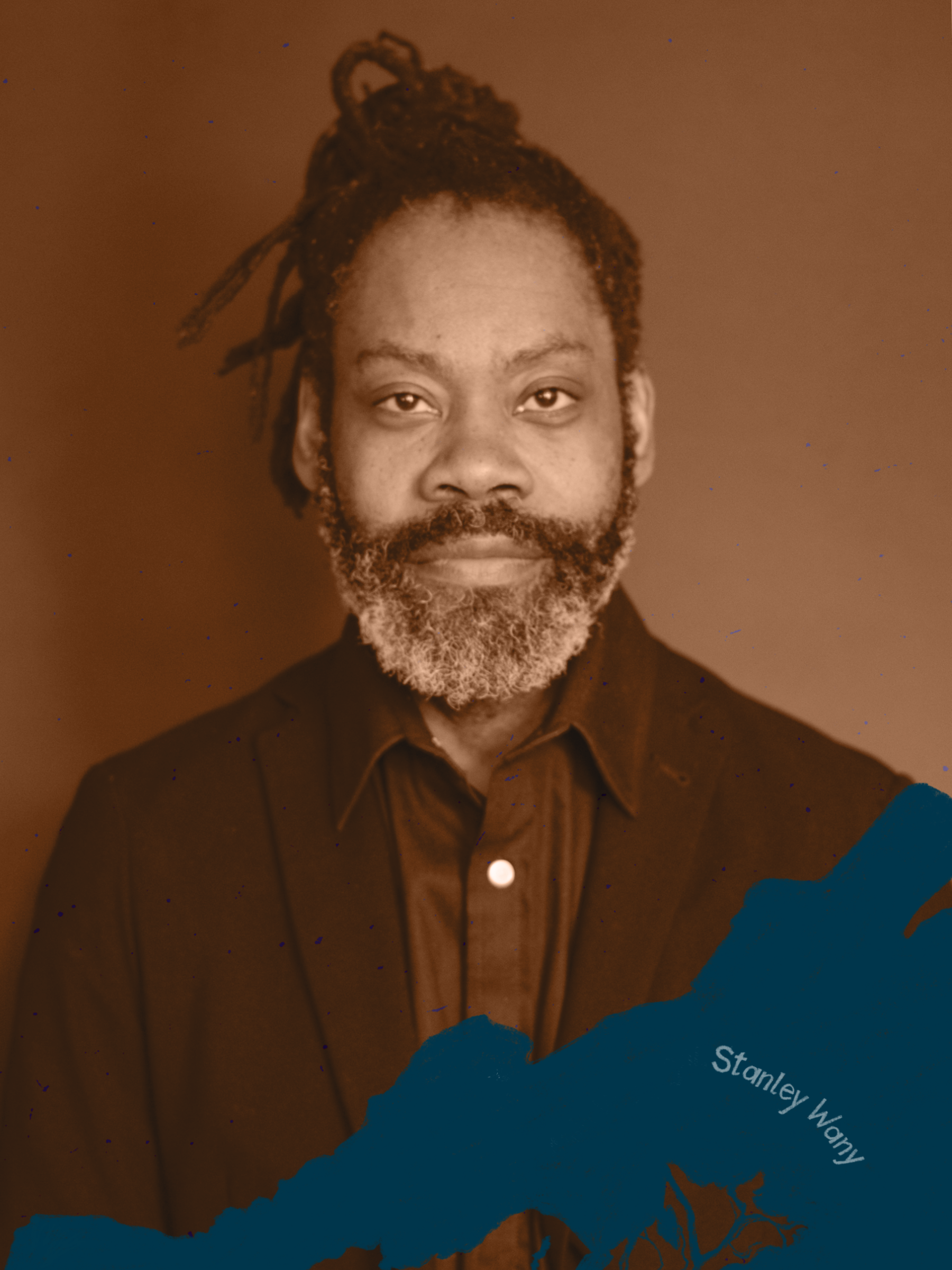
Stanley Wany is a multidisciplinary artist whose work involves revisiting colonial and historical archives to unearth the history of his Afro-descendant ancestors. He began his exploration as an editor and creator of experimental graphic novels that explored non-linearity in storytelling and the unconscious. After a residency in Finland, he transitioned to visual arts, continuing his research by incorporating the historicity of narratives found in popular culture. Through drawing, painting, installation, and experimental graphic novels, he deepens his reflections on popular culture, myths, and the subconscious in relation to the experiences of Afro-descendant people in Western society.
Partners
- Posted in residence